
Peace, Beauty,& Inner Turmoil
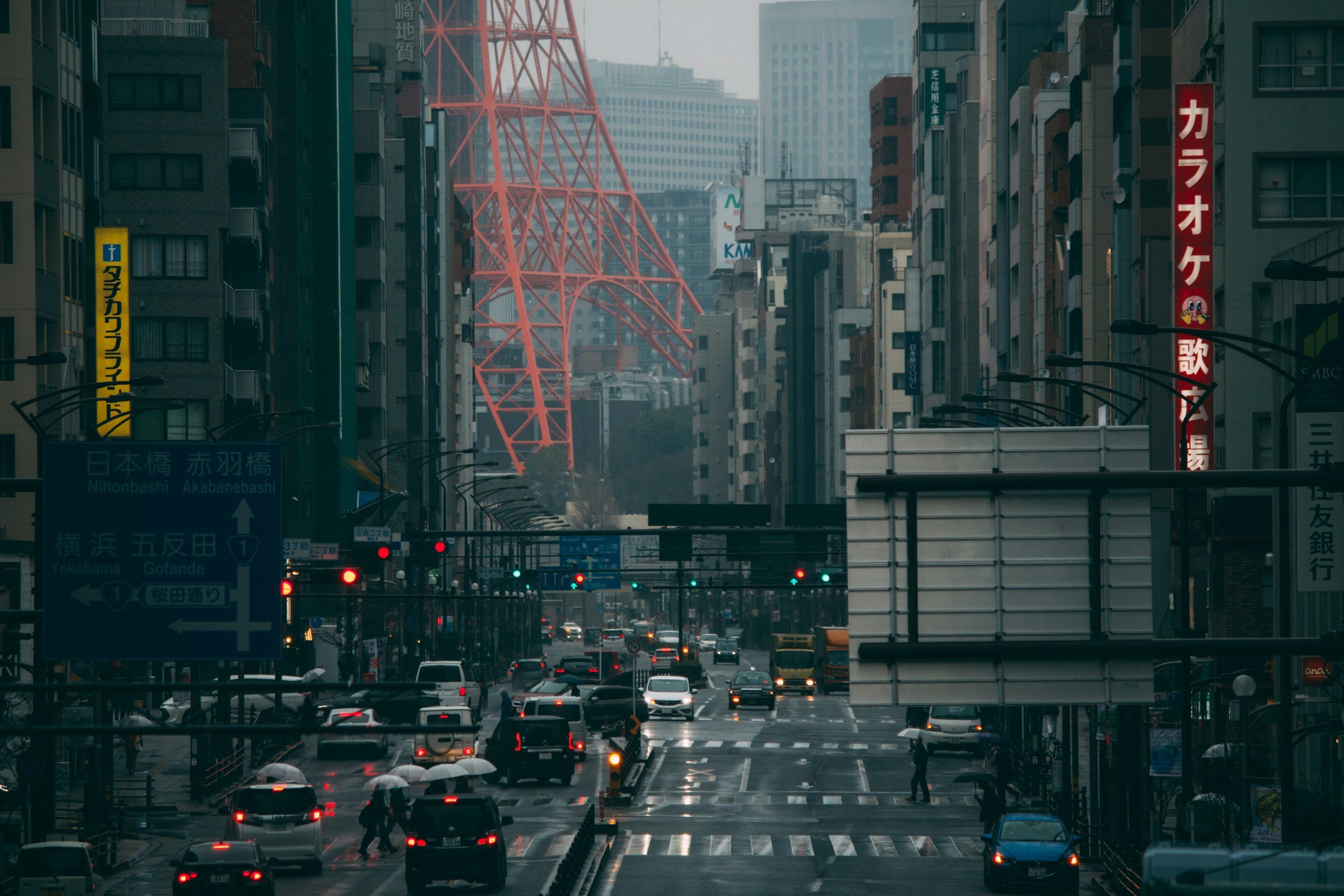
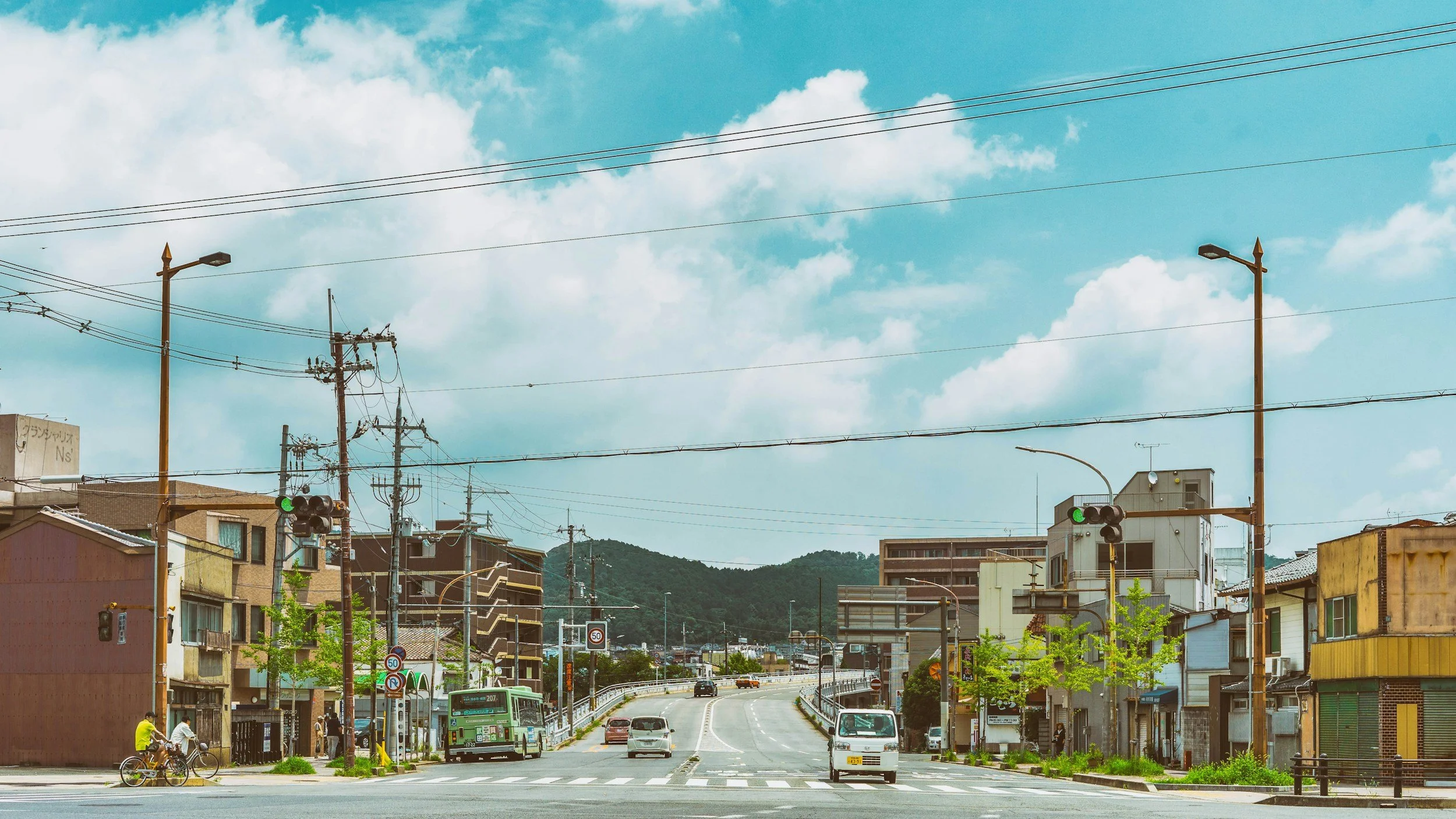
Despite Japan’s outer portrayal of peace and order, beneath the surface lies a tension
The harmony that is often seen is one that comes at the cost of true self-expression, in the sense that many people seldom express how they really feel or think about things. The Japanese phrase for this is Honne and Tatemae,¹ which articulates the way people’s inner feelings and thoughts (honne) are often hidden, and instead they put up a facade (tatemae) in public.
This isn’t necessarily a major issue itself; not everyone needs to share their inner selves with strangers in public. The issue arises however, when people don’t open up to anyone. While there is a strong cultural value of respect and honour, it often comes at the cost of a culture of shame. This reluctance to share may be a factor that plays into Japan’s major mental health crisis. Suicide is the leading cause of death for those between 15 and 39 years old.² There is also an epidemic of people who seclude themselves from society, living out of their houses or apartments and never leaving. This phenomena is referred to as hikikomori, and there is estimated to be over 1.4 million people doing this currently.³
Beyond this, Japan has a declining and aging population, with many young people not getting married or having children, often due to a lack of time, money, or hope for the future of Japan. There are now an estimated 11 million abandoned homes in Japan due to depopulation, as well as entire villages that now sit empty. The cost of living has continued to rise, as in many nations, while wages have remained the same, and uncertainty can increase with the risk of natural disasters as well.
Amidst all of this, less than 1% of people in Japan are active Christians
The majority of Japan hasn’t ever heard the Gospel message. They may disregard Christianity as nothing but a western religion, others may assume it’s some sort of cult or just irrelevant to them. That being said, people are searching for meaning and purpose, which is likely a contributor to the fact that Japan has around 183 thousand registered cults.⁴ Another barrier is that Japan has deep history with Shintoism and Buddhism. Even those who would consider themselves non-religious still often visit shrines and temples, partaking in religious rituals due to it being ingrained in the Japanes culture. To forsake these beliefs or practices can often result in disapproval and shaming from family members, being outcast or shunned. Japan is often referred to as the missionary graveyard.
There is still hope
Unlike the 16 to 1800s, when Christianity was banned in Japan and Christians in the country were subject to torture and death, Japan currently has freedom of religion, and offers religious worker visas. Despite the negatives of the social media age we live in, this also opens a new avenue to reach the Japanese, hopefully softening their hearts to the idea of visiting a church or hearing the Gospel.
For the equivalent of roughly $6 a week, supporters help address some of the basic costs of being a missionary.
Support my Ministry
For the equivalent of roughly $12/week, committed supporters assist not only with ministry costs but also get access to the Heart for Japan community hub on Discord.
For the equivalent of roughly $18.50/week, Ministry Partners both significantly financially support the ministry and get a closer look at the day-to-day process of missionary work through exclusive videos.
Custom Donation
(If more than certain tiers, I will reach out about setting you up with access to the tiers)